11
Sep
Many companies around the world are seeking new destinations that reduce production costs and open up new markets. In this context, Syria today offers an opportunity to build industrial and export bases, taking advantage of low operating costs, abundant raw materials, and investment incentives.
- Low-Cost Advantage
- Labor: Relatively low costs compared to neighboring countries, with the availability of professional expertise in the textile, food, and pharmaceutical industries.
- Services: Energy, water, and operational service prices are lower than regional averages.
- Industrial Land: Areas available for investment at competitive prices within industrial cities.
- Availability of Raw Materials
- Agricultural Sector: Abundant production of cotton, olives, grains, and fruits supports the food and textile industries.
- Minerals: Such as phosphates, limestone, and marble, which boost the construction and chemical industries.
- Pharmaceutical Industries: Strong local expertise, with the availability of raw materials and a skilled workforce.
- Syrian Industrial Cities: Existing Stories
Syria includes several organized industrial cities that provide a suitable business environment:
- Adra Industrial City (Damascus Countryside)
One of the largest industrial cities, it houses hundreds of factories in the following fields:
◦ Food industries (canned goods, dairy products).
◦ Chemical industries (paints, detergents).
◦ Pharmaceutical industries (local companies exporting their products to regional markets).
- Sheikh Najjar Industrial City (Aleppo)
Known for its industrial diversity, including:
◦ Textile and clothing industries (based on Syrian cotton).
◦ Food industries (oils, sweets, juices).
◦ Engineering industries and spare parts.
- Hassiya Industrial City (Homs)
Its central location makes it ideal for distribution to all governorates. It includes:
◦ Factories in the field of building materials (cement, marble).
◦ Metal and chemical industries.
◦ Food and agricultural projects under development.
- Tax Incentives and Facilities
- Tax exemptions of up to 7 years for new projects.
- Additional reductions for projects of an export nature or located in less developed regions.
- Customs duty refunds on imported materials that are re-exported after manufacture.
- Access to financing programs through local banks.
- Strategic Geographic Location
- Land access to Iraq, Jordan, and Lebanon.
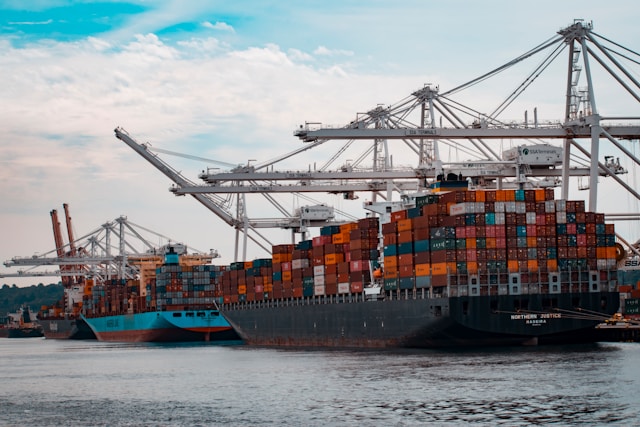
- Direct routes to the Gulf via land and sea ports.
- Sea access to the Mediterranean connecting to European markets.
- Export Opportunities
- Food and Agriculture: Quality products at competitive prices.
- Textiles and Clothing: A long-standing industry that could regain its regional standing.
- Pharmaceuticals: A sector with experience targeting neighboring markets.
- Building Materials: Such as cement and marble, which are available locally.
- Challenges and Considerations
- Infrastructure needs further development.
- Investment laws and regulations are being updated.
- The need for careful management of political and financial risks.
Conclusion
Syria today offers companies the advantage of low costs, readily available raw materials, organized industrial zones, and tax incentives, making it a strategic choice for establishing export-oriented production bases.

